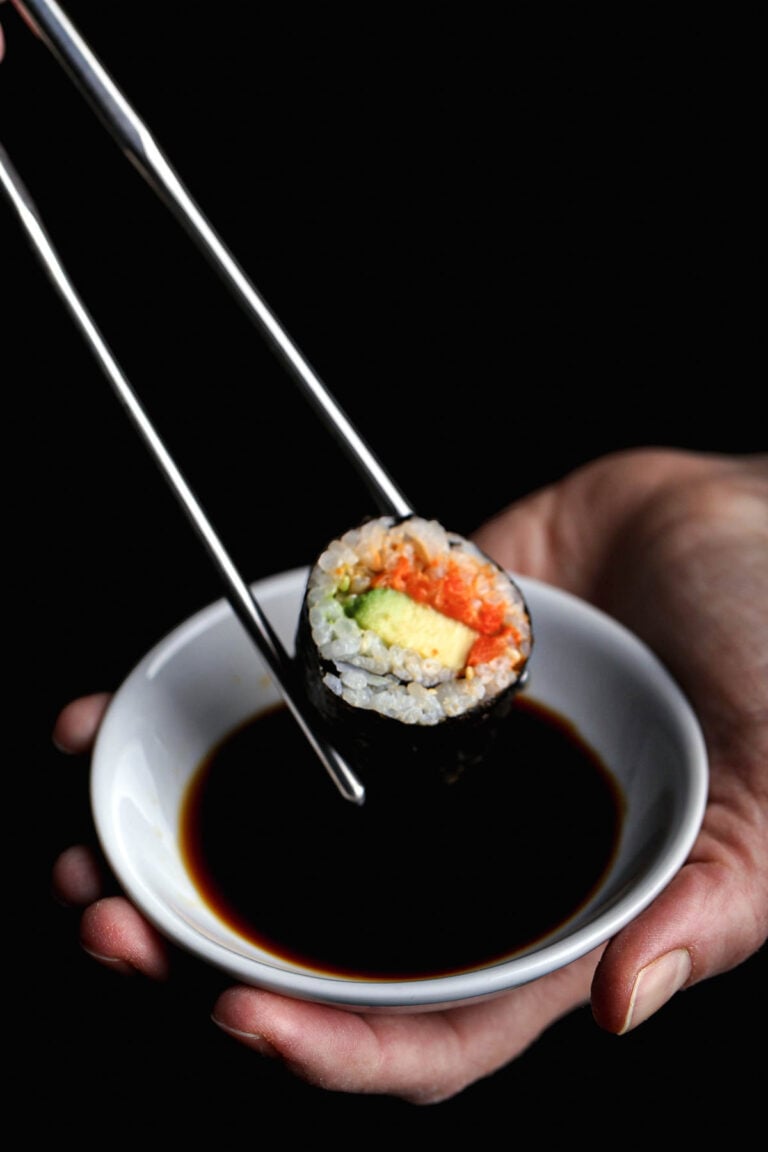
This guide to vegan pizza toppings will show you how to build pies that actually deliver—crispy, saucy, herby, melty. From classic pairings to bold twists, you’ll see how to balance flavors and textures so every slice hits just right.
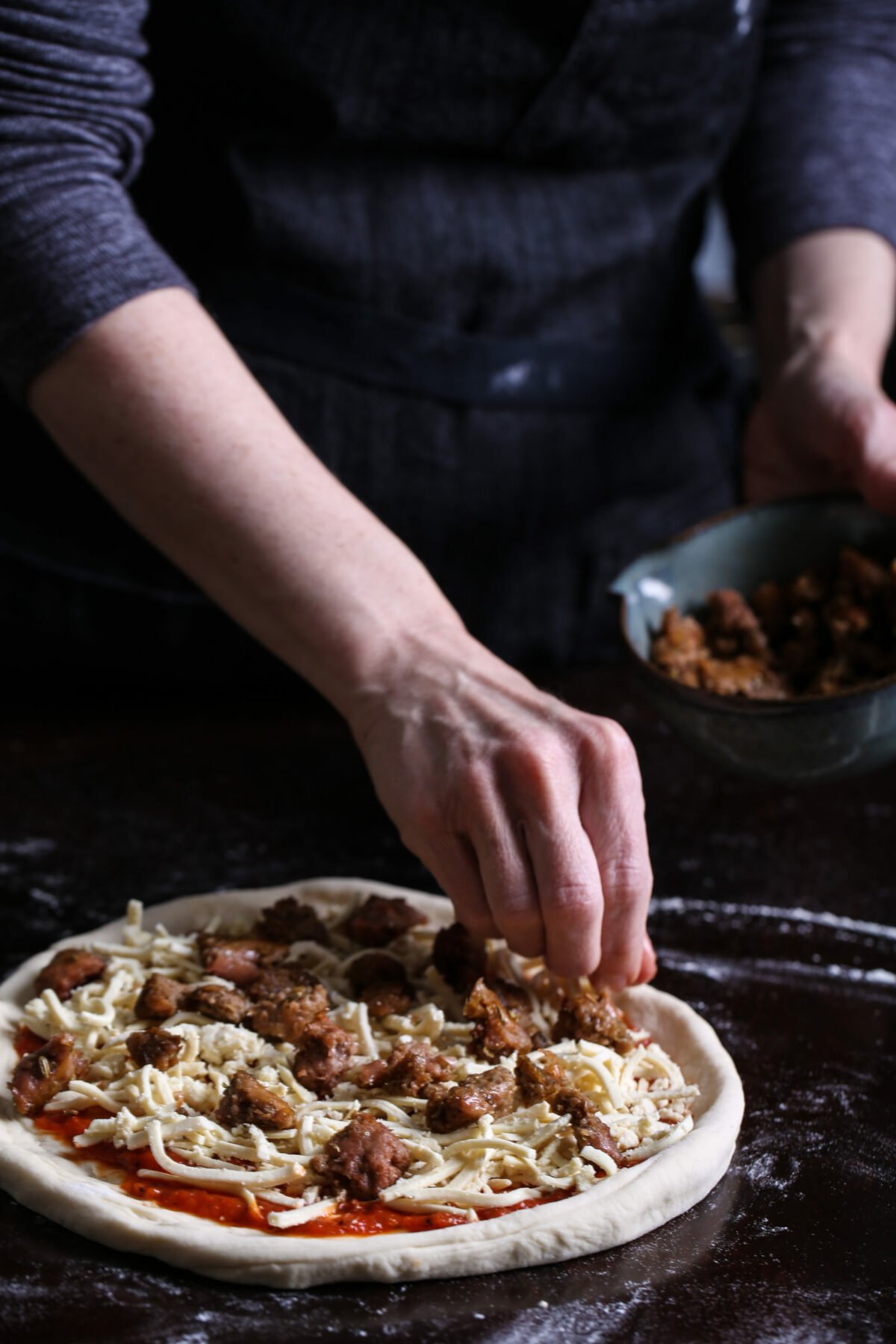
What makes a pizza unforgettable? It’s not the crust alone—though a crisp and golden base helps—it’s the toppings. The best vegan pizza toppings don’t just fill space; they create balance. Think roasted mushrooms that deliver umami, fresh basil that cuts through richness, or a pinch of chili flakes that keeps you reaching for one more slice. A great pie thrives on contrast: creamy against crunchy, salty against sweet, fresh against roasted.
In this guide, you’ll learn how to build flavor and texture combinations that actually work. We’ll move through vegan pizza sauces that go beyond tomato, proteins that add heft without heaviness, plant-based cheeses that melt or dollop, and finishers that sharpen or soften each bite. Think smoky vegan sausage with briny, oil-cured olives, or caramelized onions against almond or cashew ricotta—simple combinations that take any vegan pizza from good to great.
Consider this your toppings playbook. Start with our vegan pizza dough recipe, or find a prepared vegan crust. From there, mix and match categories, layer with restraint, and land on slices that feel composed instead of crowded. Whether you keep it a simple margherita or load it with bold pantry finds, these vegan pizza toppings will give you pies that deliver bite after bite. Crisp, saucy, herby, melty—now let’s break down how to choose and layer toppings to create the perfect pie.
Best Vegan Pizza Toppings: Flavor & Texture Ideas
Great pizza starts with intention. Instead of scattering whatever’s in the fridge, think of toppings as roles: the base that anchors, roasted or fresh elements that bring texture, protein that adds heft, a creamy layer to tie it together, and the finishers that make flavors snap. When you stack toppings this way, each bite feels balanced and complete.
This guide breaks vegan pizza toppings into clear categories—sauces, vegetables, proteins, cheeses, and finishers—so you can mix and match without guesswork. The magic isn’t in piling more on—it’s in choosing contrasts that play well together: garlicky red sauce under roasted mushrooms, tangy artichokes beside smoky vegan sausage, or peppery arugula scattered over a layer of cashew cheese. Pick a role for each topping, let them balance each other, and you’ll end up with a pizza that not only tastes intentional but also fully yours.

Sauces That Make Vegan Pizza Sing
Before the cheese and finishers, there’s the base that sets the mood. Sauce is the first flavor your toppings meet and the thread that runs through every bite. Choose one of these vegan pizza sauces to decide if your pie leans classic, creamy, herby, or spicy—then build the rest to match.
Classic Tomato Sauce (Red Sauce)
- What it is: Crushed tomatoes, garlic, olive oil, and salt.
- What it does: Sweet-savory foundation that pairs well with almost anything.
- Pairs with: Mushrooms, roasted peppers, vegan mozzarella, fresh basil.
Arrabbiata (Spicy Tomato Sauce)
- What it is: Tomato sauce with a kick—red pepper flakes or chili, garlic.
- What it does: Adds heat, depth, a bit of edge.
- Pairs with: Vegan sausage, red onion, shallots, and any strong flavors that can stand up to spice.
Vegan White Sauce (Cashew Cream / Silken Tofu / Béchamel-style)
- What it is: Blended cashews or tofu with garlic, lemon, sometimes nutritional yeast, made thick enough to spread.
- What it does: Brings creamy richness without tomato; great contrast to tangy or spicy toppings.
- Pairs with: Potatoes, leeks, spinach, mushrooms; works better if the crust is pre-baked a bit so it stays crisp.
Pesto (Herb & Nut Sauce)
- What it is: Fresh basil (or arugula), nuts (walnut or pine nuts), blended with olive oil and garlic.
- What it does: Adds herbal brightness and nutty texture; can be used as a base or a finishing drizzle.
- Pairs with: Cherry or blistered tomatoes, zucchini, artichokes, dollops of vegan ricotta.
BBQ Sauce
- What it is: Smoky, tangy sauce made with tomato, vinegar, and spices.
- What it does: Brings sweet-smoky depth that pairs especially well with bold toppings.
- Pairs with: Vegan chicken, red onion, pineapple, jalapeños.
Garlic-Oil Base (Pizza Bianca)
- What it is: Olive oil infused with garlic, sometimes with herbs.
- What it does: A lighter, crisp base that highlights toppings without competing.
- Pairs with: Spinach, mushrooms, artichokes, vegan feta.
Hummus (Optional Mediterranean Base)
- What it is: Creamy chickpea purée blended with tahini and lemon.
- What it does: Adds nutty, earthy creaminess instead of tomato or white sauce.
- Pairs with: Roasted zucchini, olives, roasted peppers, and arugula.

Vegetables (the Workhorses)
If sauce is the soul of a pizza, vegetables are the backbone of great vegan pizza toppings. They bring sweetness, char, crunch, or chew—the textures that make each bite satisfying. Prep is key: vegetables that hold lots of water, like mushrooms or zucchini, need a blast of heat to concentrate flavor, while others (like onions or peppers) taste best slow-cooked until sweet. Get this right, and your pizza base is already half brilliant.
Roasty & Savory
- Cremini or Portobello Mushrooms: Roast them hot so the moisture evaporates and the edges brown. This leaves you with chewy slices that taste deep, earthy, and concentrated—a savory counterweight to bright sauces or fresh herbs.
- Eggplant: Slice, salt, and pat it dry before roasting. Once the bitterness is gone, the flesh turns silky and lush, soaking up tomato sauce or olive oil like it was made for pizza.
- Broccoli or Cauliflower: High heat transforms florets into nutty, crisp-edged bites. Their charred flavor balances creamy elements like vegan cheese or cashew cream, adding structure and crunch to each slice.
- Zucchini: Thinly sliced zucchini caramelizes quickly in the oven, concentrating its sweetness. Roasting keeps it from going watery and gives you tender rounds that layer seamlessly with herbs or ricotta-style dollops.
- Potatoes (Thin-Sliced): Paper-thin slices baked over olive oil or cashew cream give you crisp edges and soft centers. They add subtle earthiness and a hearty bite that turns a simple pie into a meal.
Sweet & Bright
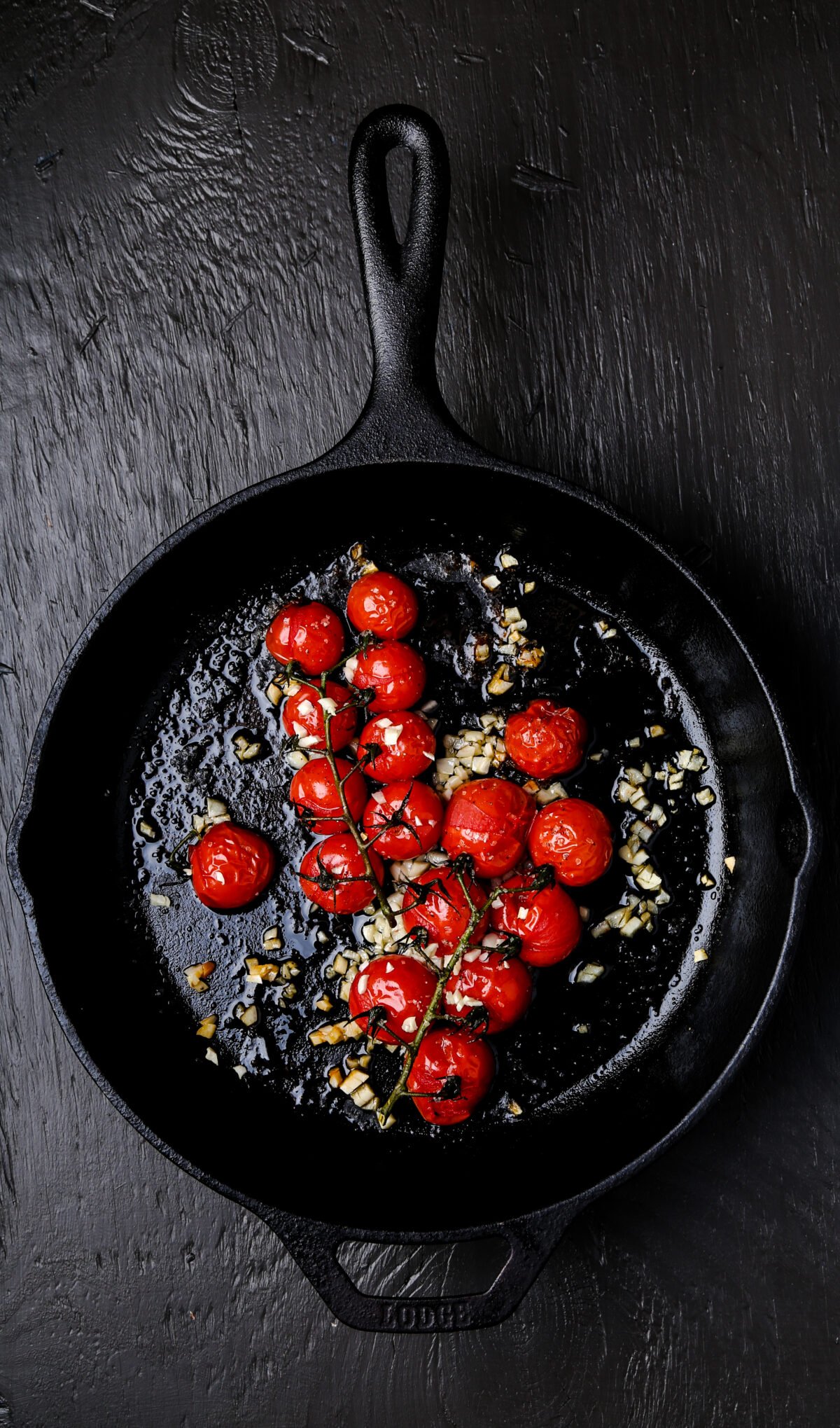
- Cherry or Grape Tomatoes: These blister in minutes, their skins wrinkling as the juices turn sweet and sharp. That burst of acidity cuts through richness and brightens every bite.
- Bell Peppers: Roasted until soft and smoky, peppers bring a mellow sweetness that spreads across the whole pie. Their silky texture also contrasts beautifully with crisp crusts.
- Caramelized Onions: Cooked low and slow until sticky and jammy, onions trade their bite for deep, mellow sweetness. They weave into sauces and cheeses, adding richness without heaviness.
- Fennel: Roasting tames fennel’s sharpness and coaxes out its natural sugars. The result is tender slices with a gentle anise note that feels surprising but elegant.
- Corn: Fresh kernels charred in a skillet or oven taste sweet and toasty at once. Scattered over pizza, they add playful pops of flavor that keep a slice lively.
- Peppadew Peppers: Small, red, and slightly sweet with a tangy edge, Peppadews add brightness without overpowering. Roast or slice them raw for a pop of color and a gentle kick that balances creamy toppings.
- Sun-dried tomatoes: Intense, chewy, and tangy-sweet, sun-dried tomatoes bring a concentrated burst of flavor that holds its own against rich bases or melty cheeses. Scatter them sparingly so their punch balances rather than overwhelms.
Sharp & Clean
- Red Onion: Sliced thin, red onion softens just enough in the oven while keeping a crisp edge. It adds color and a clean, sharp bite that balances creamy or smoky toppings.
- Leeks: Gentle and layered in flavor, leeks are best sautéed in olive oil before baking. Their sweetness and softness make them a quiet, flavorful base note.
- Spinach: Tender greens that shrink down in the oven but keep their color and mild earthiness. Layer fresh leaves under cheese or scatter on top mid-bake so they wilt without turning watery. Especially good on white pies with garlic, mushrooms, or vegan ricotta.
- Artichoke Hearts (Jarred or Roasted): Tender and briny, artichokes bring a touch of Mediterranean flair. They taste instantly luxurious and pair well with bright herbs or creamy sauces.
- Broccoli Rabe (Rapini): Bitter greens that soften in the oven but keep their edge. Scatter blanched pieces over a white pizza with ricotta or garlic for contrast that cuts through richness.
- Garlic Confit: Slow-cooked cloves turn soft, buttery, and mellow. Spread across the crust, they melt into the base and give every bite a gentle, savory warmth.
Proteins (the Heft)
Vegetables give your pizza color and character, but proteins are what give your slice some heft. These vegan pizza toppings bring chew, salt, and the kind of savoriness that makes a slice feel hearty and satisfying. On vegan pizza, that doesn’t mean imitating meat—it means leaning on plant-based proteins that carry flavor, crisp under heat, and balance the softness of sauces or cheeses. Pick wisely, prep them right, and they’ll anchor your pie without weighing it down.
Plant-Based Meats
- Vegan Sausage or Pepperoni: These are the easiest way to bring bold, familiar flavor to a pizza. Slice or crumble, then crisp them in a skillet or oven before topping so they caramelize instead of steaming. That pre-cook makes every bite smoky, salty, and punchy—the kind of flavor that holds up to melty vegan cheese or tangy sauce.
- Smoky Tempeh: Tempeh’s dense texture and nutty flavor make it a natural fit for pizza when seasoned well. A quick marinade with soy sauce, smoked paprika, or maple syrup adds depth before you slice or crumble it. Once roasted, it turns chewy and layered, bringing an almost bacon-like savoriness without trying to impersonate meat.
- Seitan Strips: With a firm, toothsome bite, seitan works especially well for BBQ or Mediterranean-style pies. Slice it thin, sauté it until the edges crisp, and let its meaty chew soak up bold sauces. It gives heft without heaviness, making each slice feel more filling.
- Vegan Chicken Strips: Store-bought or homemade, these plant-based pieces are easy to slice and season. Pan-sear or roast them first so they pick up color and hold their texture in the oven. They’re especially good on BBQ or buffalo-style pies, where their chewiness soaks up bold sauces and makes each slice feel substantial.
Whole-Food Options
- Tofu (Marinated or Baked): Tofu takes on any seasoning you give it, which makes it endlessly versatile for pizza. Press and marinate it first, then bake until the exterior is crisp and the center chewy. Cut into cubes or thin slabs, it layers beautifully with vegetables and stands up to heat without going soggy.
- Chickpeas: Roasted until crunchy, they bring a nutty, satisfying texture that adds contrast to soft sauces and creamy cheeses. Mash them lightly and season with herbs or spices for a crumbly scatter that clings to the crust. Either way, they deliver heft and protein while keeping things playful.
- Soy Curls: Made from whole soybeans, soy curls soak up marinades like a sponge and bake into chewy, flavorful strips. Season them with BBQ sauce, buffalo sauce, or smoky spices before layering on the crust. Once roasted, they deliver juicy, hearty bites that mimic chicken or beef in all the right ways—perfect for pies that lean bold and saucy.
Hearty Extras
- Jackfruit: Pulled and seasoned, jackfruit shines on pies that lean smoky or barbecue. Its shredded texture mimics pulled pork visually, but the flavor depends entirely on the sauce you cook it in. Spread it across the base with BBQ or a drizzle of chili sauce, and it bakes into tender, flavorful strands that make a pie feel celebratory.
- Vegan Bacon: Smoky, salty, and crisp, vegan bacon brings that finishing crunch and savory hit that you’ll love on pizza. Whether you use tempeh strips, shiitake mushrooms, rice paper bacon, or a store-bought option, cook it until crisp before topping so it keeps its texture in the oven. Scatter it sparingly over creamy or sweet elements—like cashew cheese, caramelized onions, or pineapple—for contrast that makes each bite pop.
- Walnuts: Chopped or lightly toasted, walnuts bring a meaty crunch and earthy depth. They hold up especially well against creamy bases like ricotta or cashew cheese, giving each bite texture and heft without feeling heavy.

Cheeses (the Creamy Bridge)
Cheese is what ties a pizza together. Dairy-free pizza toppings form the bridge between sauce and toppings—the melt, the cream, the tang that smooths sharp flavors and softens the bite. You don’t need to pile it on; just enough to stretch, dollop, or scatter will give balance without burying everything else.
Meltable Classic
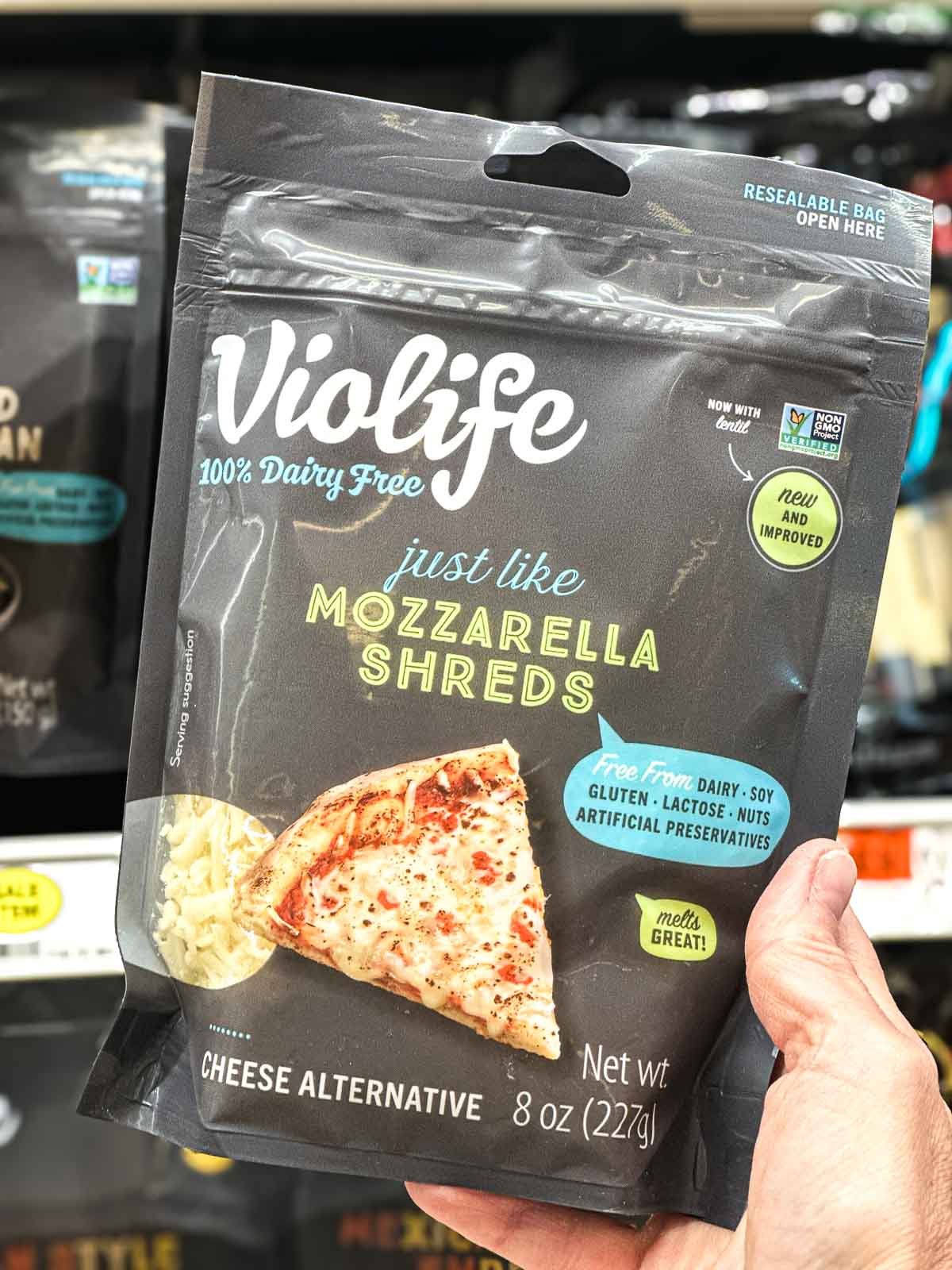
- Vegan Mozzarella: This is the go-to for melt and stretch, whether store-bought shreds or homemade versions from cashews or tapioca starch. It bubbles and browns in the oven, giving you that familiar gooey pull. Pair it with tomato sauce, mushrooms, or any topping where you want classic pizzeria vibes.
Creamy Dollops
- Vegan Ricotta: Soft and spreadable, ricotta-style cheese is often made from almonds, cashews, or tofu. It bakes into creamy pockets that cool and balance stronger flavors. Spoon it over pesto, scatter it between roasted vegetables, or let it stand out on a white pizza.
Sharp & Salty
- Vegan Feta: Tangy and crumbly, feta-style cheeses made from tofu, almonds, or coconut oil add brightness. They don’t melt much, but that’s their strength—they punctuate bites with sharpness. Try them over roasted peppers, olives, or fresh greens after baking.
Savory Finishers
- Vegan Parmesan: Nutty and salty, usually made from cashews, almonds, or nutritional yeast. It doesn’t melt, but it finishes a pie like a seasoning, dusting every bite with savoriness. Shake it over a margherita-style pizza, or use it to sharpen creamy bases like cashew white sauce.
Finishers (the Final Touch)
Once the pie comes out of the oven, you’re almost there, but not quite done. The best pizzas get a last layer of freshness or punch—something that hits your taste buds just right on that first bite. These finishers don’t just act as garnish; they lift, sharpen, and balance everything you’ve already built. Think of them as the exclamation point at the end of the slice.
- Fresh Basil: Classic for a reason, basil wilts just enough on hot pizza to release its oils. Add whole leaves or chiffonade after baking to keep its green, peppery bite alive. It brightens rich sauces and cuts through melty cheese.
- Arugula: Scatter fresh handfuls across a baked pie for peppery lift. The heat softens the greens slightly but leaves enough bite to balance creamy or salty toppings. This is one of those fresh pizza toppings that is especially good over white pizzas or ones loaded with roasted vegetables.
- Chili Oil or Chili Flakes: A drizzle of chili oil or a pinch of flakes adds controlled heat. The oil clings to cheese and crust, carrying spice into every bite. Perfect for pies with earthy mushrooms or sweet caramelized onions.
- Balsamic Glaze: Thick, tangy, and a little sweet, balsamic glaze turns pizza into something luxe. It cuts richness while adding shine, making it great over cashew ricotta or roasted vegetables.
- Olives: Briny, salty, and bold, olives bring instant contrast. Oil-cured varieties are wrinkly and intense, Kalamata are fruity and tangy, and Castelvetrano are buttery and mild. Scatter them after baking or tuck slices under cheese for salty surprises throughout the pie. Pair with capers for another briny pop.
- Lemon Zest: Bright and aromatic, a little zest scattered after baking wakes up flavors without overpowering the other elements. It’s subtle but transformative, especially with greens, artichokes, or anything creamy.
- Toasted Nuts: Pine nuts or walnuts add crunch and nuttiness. Scatter them sparingly over pesto or creamy bases—they add texture where everything else is soft.
- Banana Peppers or Pepperoncini: Briny, tangy peppers that cut through richness without overwhelming heat. Perfect on pies with vegan sausage, olives, or cashew cheese.
- Vegan Hot Honey (Chile-Infused Agave for an Optional Modern Twist): Sweet-heat drizzle that brings contrast to salty or smoky pies. Works especially well with vegan pepperoni or caramelized onions.

10 Flavor Combos That Just Work
The best vegan pizza toppings aren’t about piling on everything in the fridge—they’re about choosing toppings that balance and contrast. Sweet against salty, creamy against crisp, smoky against bright. These flavor combos highlight both popular vegan toppings and unique pairings. Below are ideas built to inspire, copy, or tweak until they feel like your own.
- The Umami Kick (Red Sauce, Roasted Mushrooms, Almond Ricotta, Chili Oil): Roasted mushrooms bring deep savoriness, almond ricotta cools things down, and chili oil adds a streak of heat. It’s hearty, balanced, and bold without being fussy.
- Mediterranean Market (Pesto, Roasted Peppers, Artichokes, Kalamata Olives): Herby pesto sets the stage for sweet peppers, tangy artichokes, and briny olives. A colorful pie that’s fresh, savory, and instantly Mediterranean.
- Sweet & Smoky Supreme (Red Sauce, Caramelized Onions, Vegan Sausage, Cashew Parm): Jammy onions meet smoky-salty vegan sausage, with a sprinkle of cashew parm to sharpen the flavors. Rich, layered, and satisfying slice after slice.
- Green & Gold (White Sauce, Broccoli, Corn, Lemon Zest): Nutty roasted broccoli and sweet corn sit over a creamy base, finished with bright citrus. Light but substantial, with crunch, cream, and pop in every bite.
- Comfort Pie (White Sauce, Potatoes, Herbs, Garlic Confit): Thin-sliced potatoes crisp at the edges, while herbs like rosemary or thyme and mellow garlic melt into the sauce. Cozy, earthy, and proof that white pizza can be unforgettable.
- Garden Fresh (Red Sauce, Spinach, Cherry Tomatoes, Tofu Ricotta): Juicy tomatoes and tender spinach balance creamy tofu ricotta on a savory red base. Fresh and vibrant, it feels like summer on a crust.
- The Spicy Classic (Red Sauce, Red Onion, Vegan Pepperoni): Sharp onion and smoky pepperoni make for a bold, balanced slice. It’s the classic pizzeria combo—turned vegan and turned up.
- Herby Harvest (Pesto, Zucchini, Bell Peppers, Vegan Feta): Roasted zucchini and peppers add sweetness, vegan feta brings salty tang, and pesto ties it together. A colorful pie with freshness in every layer.
- Southern Italian (Red Sauce, Eggplant, Oil-Cured Olives, Capers): Silky roasted eggplant over tomato sauce, finished with briny olives and capers. It nods to Sicily’s Pasta alla Norma—a classic built on eggplant, tomato, and salty accents—here reimagined as a bold, umami-rich pizza.
- Vegan Margherita (Red Sauce, Vegan Mozzarella, Fresh Basil, Olive Oil Drizzle): Simple and iconic—stretchy vegan mozzarella, fragrant basil, and good olive oil over a tomato base. A plant-based take on the classic that proves less is more.
Smart Topping Tips for Better Vegan Pizza
Making a great vegan pizza isn’t just about what you put on top—it’s how you prep, layer, and finish. These simple strategies give you crisp crusts, bold flavors, and pies that feel composed instead of crowded.
- Tame the water: Roast mushrooms, zucchini, or eggplant first; squeeze excess liquid from thawed spinach; pat jarred artichokes and olives dry. Less water = more flavor, better texture.
- Think in roles, not piles: Every topping should have a job—creamy, crunchy, smoky, or fresh. A few well-chosen players beat a crowded field.
- Use heat to your advantage: High-heat roasting before and during the bake concentrates flavors. A preheated stone or steel gives the crust a golden, crisp stage to carry your toppings.
- Layer with intention: Melt-style cheeses (like vegan mozzarella) belong under roasted vegetables so they bubble and brown. Creamy dollops (ricotta, feta) shine best when added near the end or right after baking.
- Finish with contrast: A drizzle of chili oil, a scatter of basil, or a squeeze of lemon juice added post-bake keeps flavors lively and layered.
Vegan Pizza Toppings FAQs
You don’t have to skip the creamy element—just swap dairy for plant-based alternatives that bring the same balance. Melt-style vegan mozzarella gives you that stretchy pull, while almond or tofu ricotta adds cool, creamy pockets. Feta-style crumbles work for a sharp, salty contrast, and even a swipe of cashew cream or white sauce can be a solid stand-in. Pair one of these vegan pizza toppings with roasted veg and a drizzle of chili oil, and you won’t miss the dairy.
For water-heavy vegetables like mushrooms, zucchini, or spinach, yes—roasting or sautéing first concentrates their flavor and keeps the crust from going soggy. Heartier toppings like peppers and onions can go on raw if sliced thin, since they’ll soften and caramelize in the oven. A quick rule: if a vegetable leaks water when you slice it, give it a pre-cook before it hits your crust.
Umami is what makes pizza irresistable, and there are plenty of vegan sources. Mushrooms, sun-dried tomatoes, miso, balsamic glaze, and oil-cured olives all bring depth. Even a sprinkle of vegan parmesan or nutritional yeast boosts savoriness. Layer one or two of these with something fresh (like basil or arugula) so your pie hits rich and bright at once.

More Vegan Pizza Recipes and Ideas
Bringing It All Together
The best vegan pizza toppings tell a story—smoky against bright, creamy cut with crunch, briny playing off sweet. When you think in contrasts, every slice feels deliberate and worth remembering. Build with intention, finish with something fresh, and let the push and pull of flavors do the heavy lifting. These plant-based pizza toppings aren’t just substitutions—they’re building blocks for dairy-free pizza toppings that bring real balance. Mix and match, lean on the combos, and you’ll end up with vegan pizza ideas that move past basic to something magical. In the end, it’s those vegan pizza combinations—the right sauce, the right veg, the right finish—that can turn your pizza night into a tradition.
Did I miss any of your favorite vegan pizza toppings or ideas? Drop them in the comments—I love hearing from you!